Unlocking Opportunities: Your Guide to UK Company Formation for Foreign Entrepreneurs

Dreaming of expanding your business horizons? The United Kingdom has long been a beacon for global entrepreneurs, offering a stable economy, a prestigious business environment, and straightforward processes. If you’re a foreign entrepreneur eyeing the bustling UK market, you’re in the right place! This guide is all about Unlocking Opportunities: Your Guide to UK Company Formation for Foreign Entrepreneurs, making your journey smooth and successful.
Why the UK is a Hotspot for International Business
The UK isn’t just a picturesque destination; it’s a dynamic hub for business. Here’s why setting up a company here is such a smart move:



- Global Reputation: A UK-registered company often carries a stamp of credibility and prestige, opening doors to international markets and partnerships.
- Strategic Location: Geographically, the UK offers excellent connectivity to Europe, North America, and Asia, facilitating global trade.
- Favorable Business Environment: The UK consistently ranks high for ease of doing business, with strong legal frameworks and investor protection.
- Attractive Tax Regime: With competitive corporate tax rates and various incentives, the UK can be financially advantageous.
- Access to Talent: A diverse and highly skilled workforce is readily available, especially in major cities like London.

Understanding UK Company Structures
Before you dive in, it’s good to know which type of company structure best fits your business model. The most common options include:
Private Company Limited by Shares (Ltd)
This is the go-to choice for most entrepreneurs. It means the company is a separate legal entity from its owners, limiting the personal liability of shareholders to the amount unpaid on their shares.
Limited Liability Partnership (LLP)
Perfect for professional services firms (like accountants or lawyers), an LLP combines the flexibility of a partnership with the limited liability of a company.
Other Less Common Types
While less frequent for foreign entrepreneurs, options like Public Limited Companies (PLC) or Companies Limited by Guarantee also exist, each serving specific purposes.
Essential Requirements for Foreign Entrepreneurs
Don’t fret; forming a company in the UK as a non-resident is simpler than you might think. Here are the core necessities:
- Registered Office Address: Your company needs a physical address in the UK. This is where official mail from Companies House and HMRC will be sent.
- At Least One Director: You can be the sole director, and you don’t need to be a UK resident or citizen.
- At Least One Shareholder: The director can also be the sole shareholder. Again, no UK residency requirement.
- Standard Industrial Classification (SIC) Code: This code describes your company’s main business activities.
The Step-by-Step Formation Process
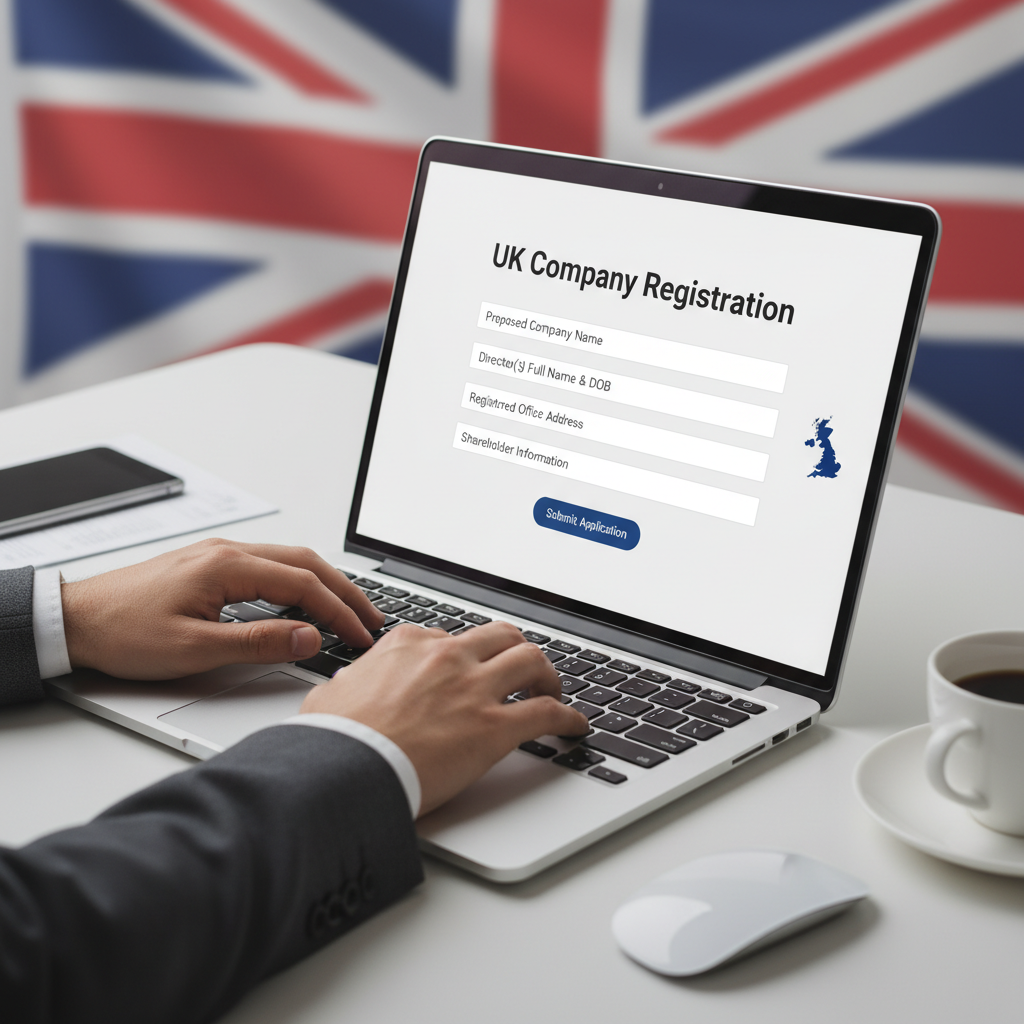
Ready to get started? Here’s a simplified breakdown of the company formation journey:
1. Choose Your Company Name: Make sure it’s unique and not already registered with Companies House. You can check availability online.
2. Prepare Necessary Documentation: This includes your company’s Articles of Association (rules for running the company) and a Memorandum of Association (a legal statement by initial shareholders).
3. Appoint Directors and Shareholders: Decide who will hold these roles and ensure all their details are correct.
4. Register with Companies House: This is the official body that registers all companies in the UK. The process can often be done online quickly.
5. Open a UK Business Bank Account: This can sometimes be a hurdle for non-residents, but many banks and financial service providers now offer solutions specifically for international businesses.
6. Register for Corporation Tax & VAT (if applicable): Once your company is formed, you’ll need to register with HMRC for tax purposes.
Post-Formation Responsibilities
Once your company is up and running, remember these ongoing obligations:
- Annual Accounts: You’ll need to prepare and submit annual accounts to Companies House and HMRC.
- Confirmation Statement: An annual snapshot of your company’s information, submitted to Companies House.
- Corporate Tax Returns: Filed annually with HMRC.
Why Consider Professional Help?
While the process is straightforward, navigating the specifics can sometimes feel overwhelming, especially if you’re unfamiliar with UK regulations. Using a professional company formation agent or legal service can:
- Save Time: They handle the paperwork and liaise with Companies House.
- Ensure Compliance: Experts can make sure everything is done correctly, avoiding future headaches.
- Provide a Registered Office: Many services offer a registered office address as part of their package.
There you have it! Unlocking Opportunities: Your Guide to UK Company Formation for Foreign Entrepreneurs aims to demystify the process and highlight the incredible potential awaiting you in the UK. With a clear plan and the right support, your entrepreneurial dreams in the UK are well within reach. Go on, take that leap!