Navigating UK Tax as an Expat: Your Essential Guide to Tax Planning Services

Moving to a new country is an adventure, but understanding the local tax system can feel like deciphering a secret code. For expats in the UK, the complexities of taxation can be particularly daunting. This guide is your friendly companion, offering insights into Navigating UK Tax as an Expat: Your Essential Guide to Tax Planning Services. We’ll break down the essentials to help you manage your finances effectively and ensure you’re compliant with HMRC.
Understanding UK Tax for Expats
The UK tax system has its unique quirks, especially for non-residents or those with international income streams. It’s not just about earning money in the UK; your worldwide income and assets might also come into play depending on your residency status.






Residency vs. Domicile
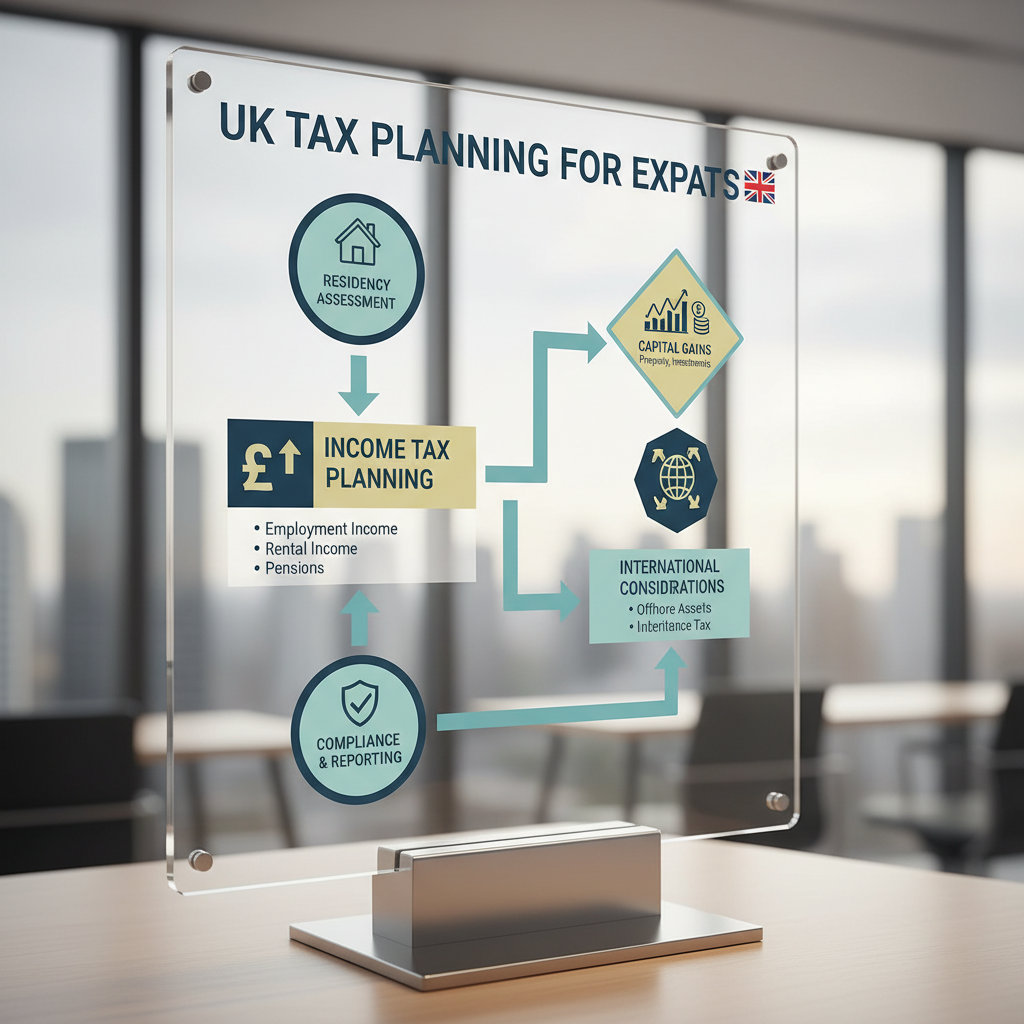
One of the first hurdles for expats is understanding the difference between residency and domicile. Your residency status determines which income is taxable in the UK, while your domicile status (often linked to your ancestral home) can influence your inheritance tax position and whether you can claim the ‘remittance basis’ of taxation.
- Residency: Generally determined by the number of days you spend in the UK, or by meeting certain automatic overseas or automatic UK tests.
- Domicile: This is usually where your permanent home is. You can be a UK resident but non-UK domiciled.
Key UK Taxes to Consider
As an expat, you’ll likely encounter several types of taxes:
- Income Tax: Levied on your earnings from employment, self-employment, pensions, and rental income.
- Capital Gains Tax (CGT): Applicable when you sell assets that have increased in value, such as property or shares.
- Inheritance Tax (IHT): Taxes on the estate of someone who has died, and sometimes on gifts made during a person’s lifetime.
- National Insurance Contributions (NICs): Payments that count towards certain state benefits, like the State Pension.

Why Tax Planning is Crucial for Expats
Proactive tax planning isn’t just about paying less tax; it’s about paying the right amount of tax at the right time and avoiding unpleasant surprises. For expats, this is even more critical due to the international elements involved.
Avoiding Penalties
HMRC has strict deadlines and rules. Missing these or making errors can lead to significant fines and penalties. Effective tax planning services help you meet your obligations accurately and on time, saving you stress and money.
Maximizing Allowances and Reliefs
The UK tax system offers various allowances, reliefs, and exemptions that can reduce your tax liability. However, navigating these can be complex, especially with international considerations. Expert tax advisors can ensure you claim everything you’re entitled to.
Peace of Mind
Let’s be honest, dealing with tax can be stressful. Knowing that your affairs are in order and managed by professionals provides invaluable peace of mind, allowing you to focus on enjoying your life in the UK.
What to Look for in Tax Planning Services
When seeking assistance with Navigating UK Tax as an Expat: Your Essential Guide to Tax Planning Services, choosing the right advisor is key. Here’s what to keep an eye out for:
Expertise in Expat Tax
Look for firms or individuals who specifically advertise their expertise in expat tax. They should have a deep understanding of international tax treaties, residency rules, and how foreign income and assets are treated in the UK.
Comprehensive Service Offerings
Good tax planning services should offer more than just filing your annual return. They should provide:
- Personalized tax advice based on your unique circumstances.
- Assistance with residency and domicile status determination.
- Guidance on overseas pensions and investments.
- Support with tax-efficient wealth management strategies.
Proactive Approach
The best advisors don’t just react to your tax situation; they help you plan for the future. They should be proactive in identifying opportunities for tax efficiency and keeping you informed of any relevant changes in tax law.
Getting Started with Your UK Tax Planning
Ready to take control of your expat tax situation? Here are some steps to get started:
1. Gather Your Documents: Collect all relevant financial information, including income statements, details of overseas assets, and any previous tax returns.
2. Assess Your Needs: Understand what kind of support you’re looking for – is it just annual filing, or do you need comprehensive financial planning?
3. Research and Consult: Look for reputable tax planning services specializing in expat tax. Don’t hesitate to schedule initial consultations to find the right fit.
Navigating UK Tax as an Expat: Your Essential Guide to Tax Planning Services doesn’t have to be a solo journey. With the right support, you can ensure your financial future in the UK is secure and compliant. Don’t let tax worries overshadow your expat experience – embrace the help available and make the most of your time in the UK!